Showing posts with label fact file. Show all posts
Showing posts with label fact file. Show all posts
Monday, July 20, 2020

Saturday, October 4, 2014
Ameer's Wide World: Flying an Ultra-light Airplane
Ameer's Wide World: Flying an Ultra-light Airplane
Sunday, July 13, 2014
Thursday, July 3, 2014
Wednesday, April 10, 2013
My Eyptian Village 3
بسم الله الرحمان الرحيم
In the Name of Allah,
the Most Gracious, the Most Merciful.
4. Our River Nile
Al-Hamdulillah, the River Nile flows through our country. It is
the longest river in the world and for thousands of years has been
our life blood.

In the past, the Nile would flood each summer when the snows of
the Jibaal al- qamar (''mountains of the moon'') melted in the high-
lands of East Africa. Most years, flood waters brought a rich layer
of wet mud that irrigated and enriched the fields. In some regions,
four or five crops could be grown in one year!
In 1967, the Aswan High Dam project was completed. In the south
of Egypt, the Nile River was dammed for the first time creating the
world's largest reservoir -- Lake Nasser. Today, the Aswan High
Dam controls the flow of the Nile River. Flooding no longer occurs.
Fellahin all along its banks make use of the river water for their
farming.
In the picture, you can see a felucca, the traditional broad-sail boat
of the Nile. It belongs to my uncle who named it after my aunt :
Nuriyyah. When my uncle does not have to deliver goods up and
down the river, he lets us sail with him in his boat. In our part of
Egypt, there are no longer any crocodiles or hippopotamuses in
the river. The Nile crocodiles does live along the river banks in
the south. When the Greeks first came to our country more than
two thousand years ago, they had never seen a hippo before. As a
result, they called this large water-dwelling mammal a ''river horse''
or hippopotamus in Greek.
Each summer, my uncle takes me and my family on his felucca and
we spend the entire day sailing. This is where I learned to swim. I can
now dive very deep, too! The water here is cleaner and fish are found
in plenty. I swim a lot and catch a lot of fish in the clean water of the
river. Fish are indeed found in abundance if you know where to look
for them.
At the back of the felucca, my uncle has built a small musallah out of
wooden planks. We make wudhu using water from the Nile River, and
if possible pray all together in the musallah. At the end of the day, we
fry our day's catch of fresh fish which we eat with my mother's delicious
aysh. Al-Hamdulillah for Allah's many, many blessings!
5. Our Village Market
Every Thursday there is an open market - the suq al-khamees -- on the
outskirts of our village. The suq-al-khamees is an opportunity for all
of us to meet up with our friends from neighbouring villages. It is here
that I sometimes sell some extra eggs!
Everyone likes to visit the suq-al-khamees. The variety of goods for
sale is truly amazing. The freshest fruits and vegetables are piled into
high pyramids, but by the end of the day, these may be reduced to mere
handfuls.
In the corner of the market, animals are sold: donkeys, horses, goats,
sheep, water buffalo and camels. Our village lies on the camel caravan
route that begins in the Sudan and ends in the great camel market (suq
al-jamaal), in Imbaba, a suburb of Cairo.
For the children of our village, the most exciting time is when the
camel caravans pass through Al-Khayriyyah. Life in the desert is not
possible without the camel, the safinah al-sahara', or ''the ship of the
desert''. Whenever I see a camel, I remember the Prophet Muhammad
صلى الله عليه وسلم, who like everyone during his time, owned and rode
camels. I remember the story of the Prophetصلى الله عليه وسلم when he had
to migrate from Makkah -the event that initiated the hijrah calender. On
his entering Yathreb (Al-Madinah), all ansars (the people of Al-Madinah
who supported the Prophetصلى الله عليه وسلم) wanted the camel (named al-
qaswa') to come to rest in front of their house. The camel did stop at a
place which is today the site of the Prophetصلى الله عليه وسلم's Masjid in
Al-Madinah. 'Abu Ayyub al-Ansariرضى الله عنه, because his house was
closest to where the camel stopped, became the first Companion to
offer the Prophetصلى الله عليه وسلم a place to rest in Al-Madinah.

Years ago, the black (or occasionally green) Kiswah, or covering for
the Kaa'bah in Makkah was made in Egypt (see illustration). Each year
the newly embroidered kiswah was transported by camel to Makkah in
a ceremony called the mahmal. My grandfather remembers a story his
father told him : a camel from Al-khayriyyah village was once chosen
to carry the kiswah to Makkah. This was indeed an honour our village
has never forgotten.
Sitting atop a camel and riding among the sand dunes behind our village,
I often imagine myself a famous traveller like Ibn Battuta. But sometimes,
the up and down swaying motion makes me feel ''sea sick'', as if I were
really sailing on a ''ship in the desert''!
Islamic Village Stories
Written & Illustrated by
Luqman Nagy
In the Name of Allah,
the Most Gracious, the Most Merciful.
4. Our River Nile
Al-Hamdulillah, the River Nile flows through our country. It is
the longest river in the world and for thousands of years has been
our life blood.

In the past, the Nile would flood each summer when the snows of
the Jibaal al- qamar (''mountains of the moon'') melted in the high-
lands of East Africa. Most years, flood waters brought a rich layer
of wet mud that irrigated and enriched the fields. In some regions,
four or five crops could be grown in one year!
In 1967, the Aswan High Dam project was completed. In the south
of Egypt, the Nile River was dammed for the first time creating the
world's largest reservoir -- Lake Nasser. Today, the Aswan High
Dam controls the flow of the Nile River. Flooding no longer occurs.
Fellahin all along its banks make use of the river water for their
farming.
In the picture, you can see a felucca, the traditional broad-sail boat
of the Nile. It belongs to my uncle who named it after my aunt :
Nuriyyah. When my uncle does not have to deliver goods up and
down the river, he lets us sail with him in his boat. In our part of
Egypt, there are no longer any crocodiles or hippopotamuses in
the river. The Nile crocodiles does live along the river banks in
the south. When the Greeks first came to our country more than
two thousand years ago, they had never seen a hippo before. As a
result, they called this large water-dwelling mammal a ''river horse''
or hippopotamus in Greek.
Each summer, my uncle takes me and my family on his felucca and
we spend the entire day sailing. This is where I learned to swim. I can
now dive very deep, too! The water here is cleaner and fish are found
in plenty. I swim a lot and catch a lot of fish in the clean water of the
river. Fish are indeed found in abundance if you know where to look
for them.
At the back of the felucca, my uncle has built a small musallah out of
wooden planks. We make wudhu using water from the Nile River, and
if possible pray all together in the musallah. At the end of the day, we
fry our day's catch of fresh fish which we eat with my mother's delicious
aysh. Al-Hamdulillah for Allah's many, many blessings!
5. Our Village Market
Every Thursday there is an open market - the suq al-khamees -- on the
outskirts of our village. The suq-al-khamees is an opportunity for all
of us to meet up with our friends from neighbouring villages. It is here
that I sometimes sell some extra eggs!
Everyone likes to visit the suq-al-khamees. The variety of goods for
sale is truly amazing. The freshest fruits and vegetables are piled into
high pyramids, but by the end of the day, these may be reduced to mere
handfuls.
In the corner of the market, animals are sold: donkeys, horses, goats,
sheep, water buffalo and camels. Our village lies on the camel caravan
route that begins in the Sudan and ends in the great camel market (suq
al-jamaal), in Imbaba, a suburb of Cairo.
For the children of our village, the most exciting time is when the
camel caravans pass through Al-Khayriyyah. Life in the desert is not
possible without the camel, the safinah al-sahara', or ''the ship of the
desert''. Whenever I see a camel, I remember the Prophet Muhammad
صلى الله عليه وسلم, who like everyone during his time, owned and rode
camels. I remember the story of the Prophetصلى الله عليه وسلم when he had
to migrate from Makkah -the event that initiated the hijrah calender. On
his entering Yathreb (Al-Madinah), all ansars (the people of Al-Madinah
who supported the Prophetصلى الله عليه وسلم) wanted the camel (named al-
qaswa') to come to rest in front of their house. The camel did stop at a
place which is today the site of the Prophetصلى الله عليه وسلم's Masjid in
Al-Madinah. 'Abu Ayyub al-Ansariرضى الله عنه, because his house was
closest to where the camel stopped, became the first Companion to
offer the Prophetصلى الله عليه وسلم a place to rest in Al-Madinah.

Years ago, the black (or occasionally green) Kiswah, or covering for
the Kaa'bah in Makkah was made in Egypt (see illustration). Each year
the newly embroidered kiswah was transported by camel to Makkah in
a ceremony called the mahmal. My grandfather remembers a story his
father told him : a camel from Al-khayriyyah village was once chosen
to carry the kiswah to Makkah. This was indeed an honour our village
has never forgotten.
Sitting atop a camel and riding among the sand dunes behind our village,
I often imagine myself a famous traveller like Ibn Battuta. But sometimes,
the up and down swaying motion makes me feel ''sea sick'', as if I were
really sailing on a ''ship in the desert''!
Islamic Village Stories
Written & Illustrated by
Luqman Nagy
Tuesday, March 26, 2013
The History of Makkah Mukarramah
سم الله الرحمان الرحيم
In the Name of Allah,
the Most Gracious, the Most Merciful.

The Location of Makkah Mukarramah
Makkah Mukarramah is located in the west of the Kingdom of Saudi Arabia.
It is situated at the foot of such a valley in the Hijaaz region that is completely
surrounded by mountains. The area that is low-lying and level is called
Bat'haa and the area to the east of the Masjid Haraam is known as Ma'laa
( higher ground ). The area to the west and the south is called Misfala ( lower
ground ). Rasulullaahصلى الله عليه وسلم was from amongst those who lived in
the Ma'laa area. He was born there and lived there until the time he migrated.
To enter Makkah Mukarramah, there are three principle routes, Ma'laa,
Misfala and Shubaykah.
The Virtues of Makkah Mukarramah
Allah Taála had selected this blessed city to be the location of His House.
It was also here that the final Rasul and guide of the worlds
Rasulullaahصلى الله عليه وسلم was born and here also did he begin to announce
his prophethood to the world. It is to this city that Allah Taála has made it
obligatory for His bondsmen to travel to fulfil certain rites. It is for this
reason that people of Imaan arrival in Makkah from all parts of the worlds
with their hearts filled with love and their appearances exuding humility and
submission. They are drawn to this blessed land with simple clothing, open
heads and free from worldly adornment.
The place has been blessed with such sancity and safety that anyone
entering it becomes safe and protected. Even if a person steeped in sin
heads there, he becomes cleansed like a new-born baby. There is no other
place on earth to which Islam has made the journey obligatory. Muslims
have been commanded to make Ta aaf ( circumambulate ) the House of
Allah Taála, something that has no example equal on earth. The Hajar Aswad
( Black Stone) and Rukn Yamaani can boast to have been kissed and
touched by none less than our noble master Rasulullaah صلى الله عليه وسلم.For
Muslims to emulate this is not only allowed in Islam, but highly recommended.
Makkah Mukarramah is that honoured city, the sancity of which Allah Ta'ala
Himself takes an oath on. This is found not once , but twice in the Qurán in
Surah Balad and Surah Teen. In Makkah Mukarramah that the Masjid
Haraam is situated, a Masjid in which the reward of a single salaah is multi-
plied by a hundred thousand.
The city is the location of the Qiblah, a direction towards which every person
performing salaah must face. It is that sacred direction which a person
relieving himself cannot face towards nor can he face his back towards it.
The city also has the privilege of being a place where even intending to do
evil attracts a grave warning of punishment from Allah Taála. The ill effects
and punishment for a sin in this holy place is also amplified.
This is that wonderful place that attracts hearts like a magnet. It is that sweet
fountain that although providing satisfaction, a person's heart cannot get
enough of it. The more a person visits it, the more his heart yearns to return.
The splendid city houses sites where duáas are readily acceppted, where
sins are forgiven and where difficulties are alleviated. The city also has the
honour of being a place of safety for carrying weapons is also forbidden. In
addition to this, no Kuffaar or Mushrikeen are allowed here. When Qiyaamah
draws near and strife will be tearing the world aparts, this special city will be
under the protection of the angels and Dajjaal will be unable to enter it.
The History of Makkah Mukarramah
by Dr. Muhammad Ilyas Abdul Ghani
In the Name of Allah,
the Most Gracious, the Most Merciful.
The Location of Makkah Mukarramah
Makkah Mukarramah is located in the west of the Kingdom of Saudi Arabia.
It is situated at the foot of such a valley in the Hijaaz region that is completely
surrounded by mountains. The area that is low-lying and level is called
Bat'haa and the area to the east of the Masjid Haraam is known as Ma'laa
( higher ground ). The area to the west and the south is called Misfala ( lower
ground ). Rasulullaahصلى الله عليه وسلم was from amongst those who lived in
the Ma'laa area. He was born there and lived there until the time he migrated.
To enter Makkah Mukarramah, there are three principle routes, Ma'laa,
Misfala and Shubaykah.
The Virtues of Makkah Mukarramah
Allah Taála had selected this blessed city to be the location of His House.
It was also here that the final Rasul and guide of the worlds
Rasulullaahصلى الله عليه وسلم was born and here also did he begin to announce
his prophethood to the world. It is to this city that Allah Taála has made it
obligatory for His bondsmen to travel to fulfil certain rites. It is for this
reason that people of Imaan arrival in Makkah from all parts of the worlds
with their hearts filled with love and their appearances exuding humility and
submission. They are drawn to this blessed land with simple clothing, open
heads and free from worldly adornment.
The place has been blessed with such sancity and safety that anyone
entering it becomes safe and protected. Even if a person steeped in sin
heads there, he becomes cleansed like a new-born baby. There is no other
place on earth to which Islam has made the journey obligatory. Muslims
have been commanded to make Ta aaf ( circumambulate ) the House of
Allah Taála, something that has no example equal on earth. The Hajar Aswad
( Black Stone) and Rukn Yamaani can boast to have been kissed and
touched by none less than our noble master Rasulullaah صلى الله عليه وسلم.For
Muslims to emulate this is not only allowed in Islam, but highly recommended.
Makkah Mukarramah is that honoured city, the sancity of which Allah Ta'ala
Himself takes an oath on. This is found not once , but twice in the Qurán in
Surah Balad and Surah Teen. In Makkah Mukarramah that the Masjid
Haraam is situated, a Masjid in which the reward of a single salaah is multi-
plied by a hundred thousand.
The city is the location of the Qiblah, a direction towards which every person
performing salaah must face. It is that sacred direction which a person
relieving himself cannot face towards nor can he face his back towards it.
The city also has the privilege of being a place where even intending to do
evil attracts a grave warning of punishment from Allah Taála. The ill effects
and punishment for a sin in this holy place is also amplified.
This is that wonderful place that attracts hearts like a magnet. It is that sweet
fountain that although providing satisfaction, a person's heart cannot get
enough of it. The more a person visits it, the more his heart yearns to return.
The splendid city houses sites where duáas are readily acceppted, where
sins are forgiven and where difficulties are alleviated. The city also has the
honour of being a place of safety for carrying weapons is also forbidden. In
addition to this, no Kuffaar or Mushrikeen are allowed here. When Qiyaamah
draws near and strife will be tearing the world aparts, this special city will be
under the protection of the angels and Dajjaal will be unable to enter it.
The History of Makkah Mukarramah
by Dr. Muhammad Ilyas Abdul Ghani
Wednesday, January 30, 2013
Friday, January 18, 2013
My Egyptian Village (2)
بسم الله الرحمان الرحيم
In the Name of Allah,
the Most Gracious, the Most merciful.
2. My Mud House

Here is my mud house. I was born
here twelve years ago. We still
build our houses using the local
earth mixed with straw. A few
villages have tried using more
modern building materials like
concrete and tin roofing but their
houses are not as comfortable
to live in as ours. Our houses are
cool during the hot summer
months and cozy in the winter
evenings.
A famous Egyptian architect, Hassan Fathy from Cairo, our capital city,
once visited our village. With him was a group of young university students
of architecture. They took photographs of our house and asked my father
many questions about its construction. Hassan Fathy was not a villager,
but he understood the importance of traditional earth building techniques-
and of keeping this technique alive.Today, his students encourage people
to use earth as a building material. Hassan Fathy told us that the design of
our village houses was very ancient. For example, in front of our house,
is a long baked mud-bench called a mastaba in Arabic. This was a feature
of all ancient Egyptian houses. Today, we of course are Muslims,
al-Hamdulillah. The days of the pharaohs are buried in the past. We can
no longer even imagine worshipping any god other than Allah,
Rabb al-'Ameen, the True Deity who sent to us His final Messenger,
the Prophet Muhammad صلى الله عليه وسلم, as a mercy to all nations.
It has been the custom in our village to work very hard and save money
so that one day we might be able to visit the Holy Cities of Makkah and
Madinah. Al-Hamdulillah, my father and mother made their Hajj, or
pilgrimage, two years ago. Our house is now known as a ''hajj house''.
'Abd al- Rahman, a village artist, is always busy whenever anyone returns
from the hajj. My father hired him to paint colourful scenes on the outside
of our house. In Al-Khayriyyah village, there are several houses like ours.
I actually helped 'Abd al-Rahman paint some of the pictures; for example,
I painted the kiswah, or black covering over the kaa'bah and the Egyptian
flag on the passenger ship.
Insha'Allah, one day we will all be able to visit Holy Makkah and perform
hajj and meet millions of fellow Muslims on the Plain of Arafat on that
glorious day, and offer our heartfelt prayers knowing that they will all be
accepted.
3. Our Food
 In Arabic, we are known as fellahin
or ''people of the countryside''. Our
life is hard but beautiful, and we
always offer thanks to Allah.
Our day begins with the Adhan, or
call to morning prayer, but quite
often it is our rooster that wakes us
up! Our masjid is in the middle of
Al-Khayriyyah so that everyone can
easily come for prayer. After salat
al-fajr, we always read from the
Holy Qur'an. Before starting our day,
reading from kitab Allah strengthens
our imaan and our desire to be good
servants of Allah.
We all have chores to do immediately after prayers. The water buffalo need
to be milked and their milk is to be quickly transported to the city for sale.
I collect the eggs our chickens have laid and sometimes sell them in the
week-end market. My mother and sisters prepare for us a hearty breakfast.
Our breakfast table is full of delicious and nutritious food, Masha'Allah.
The staple food of all fellahin is aysh, a wonderful coarse whole wheat flat
bread and ful medammes, stewed brown fava beans with salt and lemon juice.
We also have some white goat's cheese and gigantic fresh radishes. This
morning, my mother has prepared a very special Egyptian drink - karkadi
or hibiscus tea. This is a delicious bright red drink made from the dried petal-
like parts of the karkadi plant. In Ramadhan, we very often break our fast with
a refreshing glass of hibiscus tea which can be drunk hot or cold.
The dark green soup you see on the table is another Egyptian favourite -
melokhiyah. This is a very healthy vegetable, something like spinach.
It has been eaten in Egypt for thousands of years.
Egypt has always has its fellahin. Masha'Allah, we helped to build the
pyramids and other ancient monumental buildings without the use of
modern technology. We also supplied the food to the pyramid builders.
Our baladi or traditional home-cooked food keeps us strong and healthy,
al-Hamdulillah.
Islamic Village Stories
Written & Illustrated by
Luqman Nagy
In the Name of Allah,
the Most Gracious, the Most merciful.
2. My Mud House

Here is my mud house. I was born
here twelve years ago. We still
build our houses using the local
earth mixed with straw. A few
villages have tried using more
modern building materials like
concrete and tin roofing but their
houses are not as comfortable
to live in as ours. Our houses are
cool during the hot summer
months and cozy in the winter
evenings.
A famous Egyptian architect, Hassan Fathy from Cairo, our capital city,
once visited our village. With him was a group of young university students
of architecture. They took photographs of our house and asked my father
many questions about its construction. Hassan Fathy was not a villager,
but he understood the importance of traditional earth building techniques-
and of keeping this technique alive.Today, his students encourage people
to use earth as a building material. Hassan Fathy told us that the design of
our village houses was very ancient. For example, in front of our house,
is a long baked mud-bench called a mastaba in Arabic. This was a feature
of all ancient Egyptian houses. Today, we of course are Muslims,
al-Hamdulillah. The days of the pharaohs are buried in the past. We can
no longer even imagine worshipping any god other than Allah,
Rabb al-'Ameen, the True Deity who sent to us His final Messenger,
the Prophet Muhammad صلى الله عليه وسلم, as a mercy to all nations.
It has been the custom in our village to work very hard and save money
so that one day we might be able to visit the Holy Cities of Makkah and
Madinah. Al-Hamdulillah, my father and mother made their Hajj, or
pilgrimage, two years ago. Our house is now known as a ''hajj house''.
'Abd al- Rahman, a village artist, is always busy whenever anyone returns
from the hajj. My father hired him to paint colourful scenes on the outside
of our house. In Al-Khayriyyah village, there are several houses like ours.
I actually helped 'Abd al-Rahman paint some of the pictures; for example,
I painted the kiswah, or black covering over the kaa'bah and the Egyptian
flag on the passenger ship.
Insha'Allah, one day we will all be able to visit Holy Makkah and perform
hajj and meet millions of fellow Muslims on the Plain of Arafat on that
glorious day, and offer our heartfelt prayers knowing that they will all be
accepted.
3. Our Food

or ''people of the countryside''. Our
life is hard but beautiful, and we
always offer thanks to Allah.
Our day begins with the Adhan, or
call to morning prayer, but quite
often it is our rooster that wakes us
up! Our masjid is in the middle of
Al-Khayriyyah so that everyone can
easily come for prayer. After salat
al-fajr, we always read from the
Holy Qur'an. Before starting our day,
reading from kitab Allah strengthens
our imaan and our desire to be good
servants of Allah.
We all have chores to do immediately after prayers. The water buffalo need
to be milked and their milk is to be quickly transported to the city for sale.
I collect the eggs our chickens have laid and sometimes sell them in the
week-end market. My mother and sisters prepare for us a hearty breakfast.
Our breakfast table is full of delicious and nutritious food, Masha'Allah.
The staple food of all fellahin is aysh, a wonderful coarse whole wheat flat
bread and ful medammes, stewed brown fava beans with salt and lemon juice.
We also have some white goat's cheese and gigantic fresh radishes. This
morning, my mother has prepared a very special Egyptian drink - karkadi
or hibiscus tea. This is a delicious bright red drink made from the dried petal-
like parts of the karkadi plant. In Ramadhan, we very often break our fast with
a refreshing glass of hibiscus tea which can be drunk hot or cold.
The dark green soup you see on the table is another Egyptian favourite -
melokhiyah. This is a very healthy vegetable, something like spinach.
It has been eaten in Egypt for thousands of years.
Egypt has always has its fellahin. Masha'Allah, we helped to build the
pyramids and other ancient monumental buildings without the use of
modern technology. We also supplied the food to the pyramid builders.
Our baladi or traditional home-cooked food keeps us strong and healthy,
al-Hamdulillah.
Islamic Village Stories
Written & Illustrated by
Luqman Nagy
Thursday, November 22, 2012
Samouni Street
The story of 4 kids of the extended Samouni family in Gaza.
By animated drawings they express what happened to them
and their family during operation 'Cast Lead'.
Monday, November 19, 2012
''Firsts'' in Islam
بسم الله الرحمان الرحيم
In the Name of Allah,
the Most Gracious, the Most Merciful.

Question
Do you know who is a Sahabiرضى الله عنه ?
Answer
Sahabiرضى الله عنه is the one who saw Nabiصلى الله عليه وسلم or attended
his noble company as a Muslim and died as a Muslim.
Questions
1. Who from amongst the adult companions of Rasulullahصلى الله عليه وسلم ,
was the first to accept Islam?
2. From amongst the children, who was the first to accept Islam?
3. From amongst the slaves, who was the first to accept Islam?
4. From amongst the women, who was the first to accept Islam?
5. Who was the very first to accept Islam from amongst the entire
creation?
6. Which Sahabiرضى الله عنه was the first to create a sea-fleet and to
develop NAVAL- power in Islam?
7. Who was the first officially-appointed and independent judge
in Islam?
8. Who was the first to attach a door to his house in Makkatul-
Mukarramah?
9.Which Sahabiرضى الله عنه was the first to be buried at Kufa (A
city in Iraq)?
10. Who was the first male to be martyred in Islam?
11. Who was the first female to be martyred in Islam?
12. Which Sahabiرضى الله عنه was the first to be buried in the cemetery
of Madina-tul-Munawwarah, Jannat-ul-Baqee?
13. Who was the first Sahabiرضى الله عنه to be named ''Muhammad''
after Rasulullahصلى الله عليه وسلم ?
14. Who shot the first arrow in Islam? In the battle of ''UHUD''
he killed three mushrikeen (polytheists) with one arrow?
15. By whom was the first prison built in Islam?
16. Who was the first child to be born to the Muhajireen
(emigrants) in Madina-tul-Munawwarah?
17. Which Sahabiرضى الله عنه was the first to be born to the Ansaar
(Medinites) in Madinah?
18. Who was the first teacher of Islam sent to Madinah-tul-Munawwarah
by Rasulullahصلى الله عليه وسلم ?
19. By whom was the first Masjid built in Islam at Quba?
20. Who was the first Sahabiرضى الله عنه to be martyred in the
battle of ''BADR''?
21. In which Sahabi'sرضى الله عنه mouth did Rasulullahصلى الله عليه وسلم first
apply his blessed saliva?
22. Which two Sahabisرضى الله عنهما were the first to accept Islam from
the Ansaar?
23. Who was the first horseman in Islam?
24. Which couple was the first to emigrate in the path of Allah Ta'ala to
Abyssinia after the prophet Lutعليه السلام?
25. Who was the first Sahabiرضى الله عنه to greet Rasulullahصلى الله عليه وسلم
with the Muslim code of greeting ''Assalamu-Alaikum''?
26. Who was the first Sahabiرضى الله عنه to light a lamp in Masjid-e-Nabawi?
When Rasulullahصلى الله عليه وسلم saw this lamp, he exclaimed in exuberance
''If I had a daughter, I would have given her hand in marriage to you!''
27. Which Sahabiرضى الله عنه was the first to accept Islam from Rome?
He dearly wished to personally migrate to Madina-tul-Munawwarah
with Rasulullahصلى الله عليه وسلم, but due to some reasons he could not.
However he was the first to migrate after Rasulullahصلى الله عليه وسلم.
28. Which Sahabiرضى الله عنه was the first to raise his sword for
the cause of Allah Ta'ala when the rumour had spread that
Rasulullahصلى الله عليه وسلم had been taken captive by the Quraish?
29. Who was the first Sahabiرضى الله عنه to recite the Qur'an aloud
to the Quraish?
30. Who was the first Sahabiرضى الله عنه who pledged allegiance to
fight until death, when the Muslims were barred from entering
Makkah-tul-Mukarramah on the occasion of ''Hudybiyah''?
31. The wives of Rasulullahصلى الله عليه وسلم once asked him ''Who
from amongst us will join you First?''
Rasulullahصللى الله عليه وسلم replied '' The one with the longest hands''.
Saudahرضى الله عنها had the longest hands but she was not the first to
pass away after Rasulullahصلى الله عليه وسلم.
Then only did they realize that Rasulullahصلى الله عليه وسلم meant the
one who spends the most in charity! What was her name?
32. He was the first in Islam to compile a book on Ahadith called
''Sadiqah'' in the time of Rasulullahصلى الله عليه وسلم?
33. Who was that Sahabiرضى الله عنه who pioneered the first raid in
Islam on the Kuffar after the Muslims had been granted permission
to defend themselves?
34. Who was the first to call out Azaan in the Kaabah?
35. Who was the first woman of this Ummat to memorize the
entire Qur'an?
36. He was the first to introduce the tradition of performing Salah
before being executed. What was his name?
Did you know that Ibn Abbas'sرضى الله عنهما Mother was the
First to drape the Kaabah with a cloth?
Answers
1. Abu Bakr رضى الله عنه
2. Ali bin Abu Talibرضى الله عنه
3. Zaid bin Harisaرضى الله عنه
4. Khadija-tul-Kubra رضى الله عنها
5. Khadija-tul-Kubraرضى الله عنها
6. Muawiyaرضى الله عنه
7.Zaid bin sabitرضى الله عنه
8. Suhail bin Amrرضى الله عنه
9. Khabbah bin Al-Aratرضى الله عنه
10. Haarisرضى الله عنه
11. Sumayyaرضى الله عنها
12. Usman bin Mazoonرضى الله عنه
13. Muhammad bin Hatib Al-Jumahiرضى الله عنه
14. Saad bin Abi Waqqasرضى الله عنه
15. Ali bin Abi Talibرضى الله عنه
16. Abdullah bin Zubairرضى الله عنه
17. Numan bin Basheerرضى الله عنه
18. Mus'ab bin Umairرضى الله عنه
19. Ammar bin Yasirرضى الله عنهما
20. Umair bin Al-Humamرضى الله عنه
21. Abdullah bin Zubairرضى الله عنهما
22. Maaz bin Harisرضى الله عنه
Rafi bin Malikرضى الله عنه
23. Miqdad bin Aswadرضى الله عنه
24. Usman and Ruqayyaرضى الله عنهما
25. Abu Zar Ghifariرضى الله عنه
26. Tameem-e-Dariرضى الله عنه
27. Sohaib-e-Roomiرضى الله عنه
28. Abu Abdullah Zubairرضى الله عنه
Zubair Al-Awamرضى الله عنه
29. Abdullah ibn Masoodرضى الله عنه
30. Abu Sinan Al-Asadyرضى الله عنه
31. Zainabرضى الله عنها
32. Abdullah ibn Amr bin Al Aasرضى الله عنهما
33. Abdullah ibn Jahashرضى الله عنه
34. Bilalرضى الله عنه
35. Aisha Siddiqaرضى الله عنها
36. Khubaibرضى الله عنه
How well do you know the Sahaba?
Compiled by
Maulana Khalid Dhorat
In the Name of Allah,
the Most Gracious, the Most Merciful.
Question
Do you know who is a Sahabiرضى الله عنه ?
Answer
Sahabiرضى الله عنه is the one who saw Nabiصلى الله عليه وسلم or attended
his noble company as a Muslim and died as a Muslim.
Questions
1. Who from amongst the adult companions of Rasulullahصلى الله عليه وسلم ,
was the first to accept Islam?
2. From amongst the children, who was the first to accept Islam?
3. From amongst the slaves, who was the first to accept Islam?
4. From amongst the women, who was the first to accept Islam?
5. Who was the very first to accept Islam from amongst the entire
creation?
6. Which Sahabiرضى الله عنه was the first to create a sea-fleet and to
develop NAVAL- power in Islam?
7. Who was the first officially-appointed and independent judge
in Islam?
8. Who was the first to attach a door to his house in Makkatul-
Mukarramah?
9.Which Sahabiرضى الله عنه was the first to be buried at Kufa (A
city in Iraq)?
10. Who was the first male to be martyred in Islam?
11. Who was the first female to be martyred in Islam?
12. Which Sahabiرضى الله عنه was the first to be buried in the cemetery
of Madina-tul-Munawwarah, Jannat-ul-Baqee?
13. Who was the first Sahabiرضى الله عنه to be named ''Muhammad''
after Rasulullahصلى الله عليه وسلم ?
14. Who shot the first arrow in Islam? In the battle of ''UHUD''
he killed three mushrikeen (polytheists) with one arrow?
15. By whom was the first prison built in Islam?
16. Who was the first child to be born to the Muhajireen
(emigrants) in Madina-tul-Munawwarah?
17. Which Sahabiرضى الله عنه was the first to be born to the Ansaar
(Medinites) in Madinah?
18. Who was the first teacher of Islam sent to Madinah-tul-Munawwarah
by Rasulullahصلى الله عليه وسلم ?
19. By whom was the first Masjid built in Islam at Quba?
20. Who was the first Sahabiرضى الله عنه to be martyred in the
battle of ''BADR''?
21. In which Sahabi'sرضى الله عنه mouth did Rasulullahصلى الله عليه وسلم first
apply his blessed saliva?
22. Which two Sahabisرضى الله عنهما were the first to accept Islam from
the Ansaar?
23. Who was the first horseman in Islam?
24. Which couple was the first to emigrate in the path of Allah Ta'ala to
Abyssinia after the prophet Lutعليه السلام?
25. Who was the first Sahabiرضى الله عنه to greet Rasulullahصلى الله عليه وسلم
with the Muslim code of greeting ''Assalamu-Alaikum''?
26. Who was the first Sahabiرضى الله عنه to light a lamp in Masjid-e-Nabawi?
When Rasulullahصلى الله عليه وسلم saw this lamp, he exclaimed in exuberance
''If I had a daughter, I would have given her hand in marriage to you!''
27. Which Sahabiرضى الله عنه was the first to accept Islam from Rome?
He dearly wished to personally migrate to Madina-tul-Munawwarah
with Rasulullahصلى الله عليه وسلم, but due to some reasons he could not.
However he was the first to migrate after Rasulullahصلى الله عليه وسلم.
28. Which Sahabiرضى الله عنه was the first to raise his sword for
the cause of Allah Ta'ala when the rumour had spread that
Rasulullahصلى الله عليه وسلم had been taken captive by the Quraish?
29. Who was the first Sahabiرضى الله عنه to recite the Qur'an aloud
to the Quraish?
30. Who was the first Sahabiرضى الله عنه who pledged allegiance to
fight until death, when the Muslims were barred from entering
Makkah-tul-Mukarramah on the occasion of ''Hudybiyah''?
31. The wives of Rasulullahصلى الله عليه وسلم once asked him ''Who
from amongst us will join you First?''
Rasulullahصللى الله عليه وسلم replied '' The one with the longest hands''.
Saudahرضى الله عنها had the longest hands but she was not the first to
pass away after Rasulullahصلى الله عليه وسلم.
Then only did they realize that Rasulullahصلى الله عليه وسلم meant the
one who spends the most in charity! What was her name?
32. He was the first in Islam to compile a book on Ahadith called
''Sadiqah'' in the time of Rasulullahصلى الله عليه وسلم?
33. Who was that Sahabiرضى الله عنه who pioneered the first raid in
Islam on the Kuffar after the Muslims had been granted permission
to defend themselves?
34. Who was the first to call out Azaan in the Kaabah?
35. Who was the first woman of this Ummat to memorize the
entire Qur'an?
36. He was the first to introduce the tradition of performing Salah
before being executed. What was his name?
Did you know that Ibn Abbas'sرضى الله عنهما Mother was the
First to drape the Kaabah with a cloth?
Answers
1. Abu Bakr رضى الله عنه
2. Ali bin Abu Talibرضى الله عنه
3. Zaid bin Harisaرضى الله عنه
4. Khadija-tul-Kubra رضى الله عنها
5. Khadija-tul-Kubraرضى الله عنها
6. Muawiyaرضى الله عنه
7.Zaid bin sabitرضى الله عنه
8. Suhail bin Amrرضى الله عنه
9. Khabbah bin Al-Aratرضى الله عنه
10. Haarisرضى الله عنه
11. Sumayyaرضى الله عنها
12. Usman bin Mazoonرضى الله عنه
13. Muhammad bin Hatib Al-Jumahiرضى الله عنه
14. Saad bin Abi Waqqasرضى الله عنه
15. Ali bin Abi Talibرضى الله عنه
16. Abdullah bin Zubairرضى الله عنه
17. Numan bin Basheerرضى الله عنه
18. Mus'ab bin Umairرضى الله عنه
19. Ammar bin Yasirرضى الله عنهما
20. Umair bin Al-Humamرضى الله عنه
21. Abdullah bin Zubairرضى الله عنهما
22. Maaz bin Harisرضى الله عنه
Rafi bin Malikرضى الله عنه
23. Miqdad bin Aswadرضى الله عنه
24. Usman and Ruqayyaرضى الله عنهما
25. Abu Zar Ghifariرضى الله عنه
26. Tameem-e-Dariرضى الله عنه
27. Sohaib-e-Roomiرضى الله عنه
28. Abu Abdullah Zubairرضى الله عنه
Zubair Al-Awamرضى الله عنه
29. Abdullah ibn Masoodرضى الله عنه
30. Abu Sinan Al-Asadyرضى الله عنه
31. Zainabرضى الله عنها
32. Abdullah ibn Amr bin Al Aasرضى الله عنهما
33. Abdullah ibn Jahashرضى الله عنه
34. Bilalرضى الله عنه
35. Aisha Siddiqaرضى الله عنها
36. Khubaibرضى الله عنه
How well do you know the Sahaba?
Compiled by
Maulana Khalid Dhorat
Friday, November 2, 2012
My Egyptian Village
بسم الله الرحمان الرحيم
In the Name of Allah,
the Most Gracious, the Most Merciful.
Introduction

Egypt, also know as Misr in Arabic,
is quite unlike any other Muslim
country. For almost five thousand
years there has been an unbroken
historical record of people
inhabiting this land on
the banks of River Nile.
It is along this ribbon of blue,
amidst a bright yellow desert
landscape that the village of
Al-Khayriyyah is located.
This is the home of
'Abd al-Kareem, an extremely
gentle Egyptian boy who is
very keen to show you around
his village.
Since the time of the Companion of the Prophetصلى الله عليه وسلم
'Amr ibn al-'Asرضى الله عنه, Egypt has been a Muslim
Country. Important Islamic dynasties, such as the Tulinid, Fatimid,
Ayyubid, Mamluk and Ottaman, all once ruled this land. Kingdoms,
sultanates and empires rose and fell but the River Nile never ceased
flowing nor did the hard-working people of the countryside- Fellahin -
cease tilling the fertile fields along its banks.
Al-khayriyyah is a village of fellahin. Their lives have changed little
over the years which has helped them preserve many old Islamic
traditions and practices.
Now turn the page and let 'Abd al-Kareem introduce you to his
colourful Egyptian World.
To you all my Salaams.
Luqman Nagy
1. History of My Village

My name is 'Abd al-Kareem and
I am a Muslim, al-Hamdulillah.
I live in a beautiful Egyptian Village.
My village is called Al- Khayriyyah,
because the people who first lived
here were ''charitable'' - they always
offered aid or Khayr to those in need.
''Welcome to my village!'' or as we
say in Arabic, ''ahlan wa sahlan
wa marhaban fee baytee.''
As you can see, my village is not
far from the ancient step pyramid
of Zoser at Saqqara, the oldest of
all Egyptian pyramids. We live on the
banks of the deep and wide Nile River.
We read in our history books that my country was called the ''gift of the Nile''
by the ancient Greeks. Egypt is a desert country, but al-Hamdulillah,
because of the Nile River, farmers for thousands of years have been
able to grow wheat and other crops to support its population.
My father owns a herd of water buffalo (or gamoosa in Arabic). These
animals resemble big horned cows. They love to eat all the wonderful
fresh green grass that grows in the fields near our village. As a result,
water buffalo grow very large. My father sells buffalo milk to the city
where it is used to make delicious white feta cheese. In late afternoon,
the buffalo like to cool themselves in the canal near the river. We
sometimes jumps in and help scrub them down!
My father tells me that Al-Khayriyyah is a very old village. He says that
perhaps people from our village provided workforce for the construction
of Zoser's step pyramid almost 5,000 years ago. This imposing and
magnificent structure had a great influence on our lives. We used to sit
and play in its shade, and often wondered what life had been like so many
years ago.
Today, we speak Arabic, but a form of the ancient Egyptian language is still
used by the Copts, or Egyptian Christians, in their church services. There
are some Coptic villages in the southern part of Egypt.
Everyone in our village owns a vegetable garden. The fertile soil, the bountiful
water supply and the hot Egyptian sun all help produce incredibly large
sweet carrots and huge white heads of cauliflower, my favourite!
Masha'Allah - even the dates in our village are unusually large. You can see
some of our date trees just behind the village houses. Al-Hamdulillah, we
believe that Allah has truly blessed our home-land - Misr.
Islamic Village Stories
Written & Illustrated by
Luqman Nagy
In the Name of Allah,
the Most Gracious, the Most Merciful.
Introduction

Egypt, also know as Misr in Arabic,
is quite unlike any other Muslim
country. For almost five thousand
years there has been an unbroken
historical record of people
inhabiting this land on
the banks of River Nile.
It is along this ribbon of blue,
amidst a bright yellow desert
landscape that the village of
Al-Khayriyyah is located.
This is the home of
'Abd al-Kareem, an extremely
gentle Egyptian boy who is
very keen to show you around
his village.
Since the time of the Companion of the Prophetصلى الله عليه وسلم
'Amr ibn al-'Asرضى الله عنه, Egypt has been a Muslim
Country. Important Islamic dynasties, such as the Tulinid, Fatimid,
Ayyubid, Mamluk and Ottaman, all once ruled this land. Kingdoms,
sultanates and empires rose and fell but the River Nile never ceased
flowing nor did the hard-working people of the countryside- Fellahin -
cease tilling the fertile fields along its banks.
Al-khayriyyah is a village of fellahin. Their lives have changed little
over the years which has helped them preserve many old Islamic
traditions and practices.
Now turn the page and let 'Abd al-Kareem introduce you to his
colourful Egyptian World.
To you all my Salaams.
Luqman Nagy
1. History of My Village

My name is 'Abd al-Kareem and
I am a Muslim, al-Hamdulillah.
I live in a beautiful Egyptian Village.
My village is called Al- Khayriyyah,
because the people who first lived
here were ''charitable'' - they always
offered aid or Khayr to those in need.
''Welcome to my village!'' or as we
say in Arabic, ''ahlan wa sahlan
wa marhaban fee baytee.''
As you can see, my village is not
far from the ancient step pyramid
of Zoser at Saqqara, the oldest of
all Egyptian pyramids. We live on the
banks of the deep and wide Nile River.
We read in our history books that my country was called the ''gift of the Nile''
by the ancient Greeks. Egypt is a desert country, but al-Hamdulillah,
because of the Nile River, farmers for thousands of years have been
able to grow wheat and other crops to support its population.
My father owns a herd of water buffalo (or gamoosa in Arabic). These
animals resemble big horned cows. They love to eat all the wonderful
fresh green grass that grows in the fields near our village. As a result,
water buffalo grow very large. My father sells buffalo milk to the city
where it is used to make delicious white feta cheese. In late afternoon,
the buffalo like to cool themselves in the canal near the river. We
sometimes jumps in and help scrub them down!
My father tells me that Al-Khayriyyah is a very old village. He says that
perhaps people from our village provided workforce for the construction
of Zoser's step pyramid almost 5,000 years ago. This imposing and
magnificent structure had a great influence on our lives. We used to sit
and play in its shade, and often wondered what life had been like so many
years ago.
Today, we speak Arabic, but a form of the ancient Egyptian language is still
used by the Copts, or Egyptian Christians, in their church services. There
are some Coptic villages in the southern part of Egypt.
Everyone in our village owns a vegetable garden. The fertile soil, the bountiful
water supply and the hot Egyptian sun all help produce incredibly large
sweet carrots and huge white heads of cauliflower, my favourite!
Masha'Allah - even the dates in our village are unusually large. You can see
some of our date trees just behind the village houses. Al-Hamdulillah, we
believe that Allah has truly blessed our home-land - Misr.
Islamic Village Stories
Written & Illustrated by
Luqman Nagy
Tuesday, September 25, 2012
When do we learn to talk?
بسم الله الرحمان الرحيم
In the Name of Allah,
the Most Gracious, the Most Merciful.
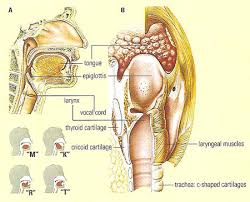
As air flows out of the lungs, we can use
it to make the sounds of speech and other
noises. At the top of the windpipe,in the
sides of the voice box or larynx, are two
stiff, shelf-like folds - called the vocal cords.
criss-crossed muscles in the voice box
can pull them together so that air passes
through a narrow slit between them and
makes them vibrate, creating sounds. As
the vocal cords are pulled tighter, they
make higher - pitched sounds. Of course,
when we actually learn to talk, our speech
depends on the development of the brain
and its ability to copy the sounds that we hear.
Fact File
Although many people
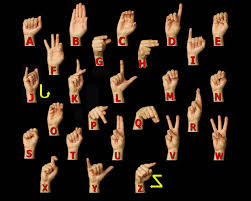 think of speech as our
main way of communicating,
we do not have to use
spoken words. People
who can't speak learn
a language called signing,
in which hands and fingers
are used to signal
letters and words.
Subahanallah what a great niymah (blessing)
it is indeed, that Allah Ta'ala has given us this
ability to talk is it?
By thanking Allah Ta'ala for this niymath we
can be among the once who are thankful to Him.
Do ponder over the creation of Allah Ta'ala ?
Taken from Tell me When ?
In the Name of Allah,
the Most Gracious, the Most Merciful.
As air flows out of the lungs, we can use
it to make the sounds of speech and other
noises. At the top of the windpipe,in the
sides of the voice box or larynx, are two
stiff, shelf-like folds - called the vocal cords.
criss-crossed muscles in the voice box
can pull them together so that air passes
through a narrow slit between them and
makes them vibrate, creating sounds. As
the vocal cords are pulled tighter, they
make higher - pitched sounds. Of course,
when we actually learn to talk, our speech
depends on the development of the brain
and its ability to copy the sounds that we hear.
Fact File
Although many people
main way of communicating,
we do not have to use
spoken words. People
who can't speak learn
a language called signing,
in which hands and fingers
are used to signal
letters and words.
Subahanallah what a great niymah (blessing)
it is indeed, that Allah Ta'ala has given us this
ability to talk is it?
By thanking Allah Ta'ala for this niymath we
can be among the once who are thankful to Him.
Do ponder over the creation of Allah Ta'ala ?
Taken from Tell me When ?
Monday, October 3, 2011
Living or Non-Living Things
A simple explanation on living and non-living things.
Can you look for things in your surrounding which
are living and non-living, see how many you can find?
Thursday, July 21, 2011
Ameer's Wide World : Islamic School 1 of 2
The little journalist Ameer, in this episode, is taking his
viewers around an Islamic School in North America.
Part 2
Wednesday, July 6, 2011
Friday, April 29, 2011
The World Of The Angels
*The Malaa'ika (Angels) form a different
world to the world of mankind and the
world of Jinn. It is a noble world, completely
pure. They are noble and pious worshipping
Allah as He should be worshipped, fulfilling
whatever He Commands them to do and
never disobeying Him.
*The Malaa'ika are always glorifying Allah.
*Belief in the Malaa'ika is one of the principles
of Imaan (faith). A person's Imaan cannot be
correct unless he believes in them.
* The Pre-Islamic Arabs believed them to be
daughters of Allah. Regarding this the Holy
Qur'an Says,
''Or did We Create the Angels female
while they were witnesses? Verily, it
is of their falsehood that they (Quraish,
Pagans) say : Allah has begotten
(offsprings- the Angels being the
daughters of Allah)? And verily,
they are liars! (37: 150-152)
and carry out His Commands, without
getting tired or bored.
Sunday, April 3, 2011
The Wonderful Creations of Allah
The Pigeon
Allah Ta'ala says : ''Do they not see the
birds held (flying) in the midst of the
sky? None holds them but Allah (none
gave them the ability to fly but Allah).
Verily, in this are clear proofs and signs
for people who believe (in the oneness
of Allah).''
Allah Ta'ala says : ''Do they not see the
birds held (flying) in the midst of the
sky? None holds them but Allah (none
gave them the ability to fly but Allah).
Verily, in this are clear proofs and signs
for people who believe (in the oneness
of Allah).''

The pigeon is one of the most amazingly
guided animals.The carrier pigeon is the
one which brings messages and letters and
may be worth more than a slave, for the
service that it provides cannot be carried
out by slaves or by any other kinds of
creature, as it is able to carry and bring
news and messages able to carry and bring
news and messages across great distances.

pigeons can be trained. When they get used
to a place, they will stay there and remain
loyal to their owner, even if he mistreats
them. They will return there from long
distances, and if they are prevented from
doing so, they will remain loyal even if
ten years have passed since they left their
homeland, and as soon as they get an opportunity and they are able to do so
they go back.

Among the wonders of the way in which
the pigeon is inspired is that when it is
carrying a message, it follows remote
routes, far from cities where people are
to be found, so that no one will be able
to stop it. It does not look for water
among people; rather it looks for
water in places where people do
not go.

Male and female pigeons share out their
duties towards the chicks. caring for and
raising the chick is done by the female,
and bringing food and feeding it to the
chick are done by the male. The father
is the head of the family who provides
for them, and the mother is the one
who nurses the young.
Source: Belief in Allah
Subscribe to:
Posts (Atom)
